💼 Vendor & Market Resources
Welcome to the Anchored Market Ventures Resource Hub — your go-to place for tools, tips, and inspiration to grow your farmers market business. Whether you're a vendor, market manager, or community leader, you'll find valuable content designed to help you succeed. Click below to explore our YouTube Channel, tune into the Vendor’s Edge Podcast, sign up for the Farmers Market Junction Newsletter, and access other powerful resources just for you.
Industry Education
How Farmers Markets Are Operated: Nonprofit vs. For-Profit
Farmers markets across the country operate under different legal and organizational structures. The two most common are nonprofit and for-profit models. While these structures differ in how they are formed, governed, and taxed, neither structure determines the quality, success, or integrity of a farmers market.
Understanding how these models work helps vendors, communities, and partners make informed decisions based on how a market is run, not on assumptions tied to labels.
Nonprofit Farmers Markets
Nonprofit farmers markets are typically organized under a nonprofit designation, such as a 501(c)(3). These markets often operate with a board of directors and may rely on a mix of vendor fees, sponsorships, grants, and community support to fund operations.
Key characteristics often include:
Vendor fees that support operating costs
Paid leadership, staff, or contractors
Compliance with nonprofit regulations and reporting requirements
Eligibility for grants or public funding in some cases
Being a nonprofit does not automatically make a market better organized, better attended, or more beneficial to vendors. Like any organization, success depends on leadership, planning, promotion, and execution.
For-Profit Farmers Markets
For-profit farmers markets operate as business entities. These markets are funded through vendor fees, sponsorships, and partnerships, and are responsible for covering all operating expenses such as marketing, insurance, staffing, equipment, and administrative costs.
Key characteristics often include:
Professional management and operational accountability
Investment in advertising, infrastructure, and long-term growth
Paid leadership responsible for market performance
Flexibility in decision-making and strategic planning
For-profit markets are widely used across the country and include many well-known, high-performing farmers markets. As with nonprofit markets, quality varies based on how the market is managed, not its tax structure.
What Actually Determines a Strong Farmers Market
A market’s legal structure does not define its value. Strong farmers markets — nonprofit or for-profit — share common traits:
Clear standards and expectations
Consistent scheduling and organization
Active promotion and marketing
Thoughtful vendor curation
Professional communication
Community trust and engagement
The legal designation simply defines how the organization is structured behind the scenes. The day-to-day experience for vendors and customers is shaped by leadership, operations, and consistency.
A Clear Takeaway
When evaluating or participating in a farmers market, it’s far more important to look at how the market is run than how it is classified. Nonprofit and for-profit markets can both serve vendors and communities exceptionally well (or poorly) depending on the systems, standards, and commitment in place.
Education, transparency, and professionalism are what build successful markets, not labels.

Dive into weekly videos packed with expert tips, vendor success strategies, market insights, and real-world advice for farmers market vendors, managers, and makers. Whether you’re just starting out or ready to scale your market business, our channel gives you the tools and motivation to grow.
👉 Click, watch, and subscribe to join a thriving community built on local success and entrepreneurship!


Hosted by Bill Davenport of Anchored Market Ventures, the Vendor’s Edge Podcast delivers real-world strategies, inspiring stories, and practical tips to help farmers market vendors, crafters, and market managers succeed. Each episode is designed to give you the edge you need to grow your business, connect with your audience, and thrive at market.
👉 Tune in, engage, and follow — and listen anywhere you enjoy your favorite podcasts!


The Florida Alliance of Farmers Markets is a statewide movement dedicated to supporting, connecting, and growing farmers markets across the Sunshine State. Whether you're a vendor, manager, or market supporter, this alliance is your resource for education, collaboration, and advocacy. Join us as we work to strengthen local economies, elevate small businesses, and create thriving market communities across Florida.
👉 Follow along and become a part of Florida’s farmers market future!
The Farmers Market Junction Newsletter is your weekly source of tips, inspiration, and resources for farmers market vendors, managers, and makers. Delivered straight to your inbox every Sunday, each issue includes vendor success strategies, upcoming market updates, featured videos, recipes, and tools to help you grow. Join our community of market-minded entrepreneurs and stay connected with what matters most.
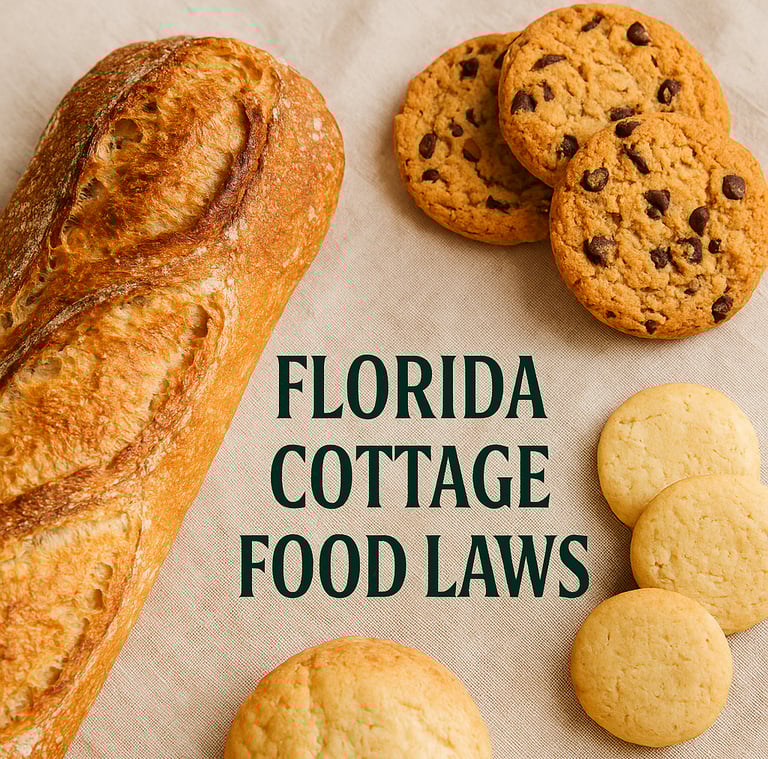
Florida Cottage Food Laws
USDA Grants
Florida Farm Finder
🔗 Helpful Links & Resources for Florida Vendors
Explore a curated collection of tools and links to help you navigate the world of farmers markets and food entrepreneurship in Florida. From Cottage Food Laws and USDA Grants to the Florida Farmer Finder and more, this section includes trusted resources to support your success. We’re always adding new links as we find reliable, vendor-focused content to share.
Contact Us for Resources and Support
Reach out for assistance with markets, vendors, community resources, consultation services, partnerships, sponsorships, or brand deals.
Connect
Contact Us
marketmanager@anchoredmarketventures.com
1-904-234-7260
© 2025. All rights reserved.
Panama City, FL 32405
Anchored Market Ventures is the #1 resource for Farmers Market Vendors and Market Managers in the U.S.
Every purchase fuels future vendor grants through The Anchored Foundation Fund.